Putting Our Patients First
With practices in Wollongong & Woollahra, Sydney, Surgeon Dr Jeremy Hunt always takes a patient focused approach to surgery, employing the most appropriate techniques for each individual.
Registered Specialist Plastic Surgeon, Dr Jeremy Hunt
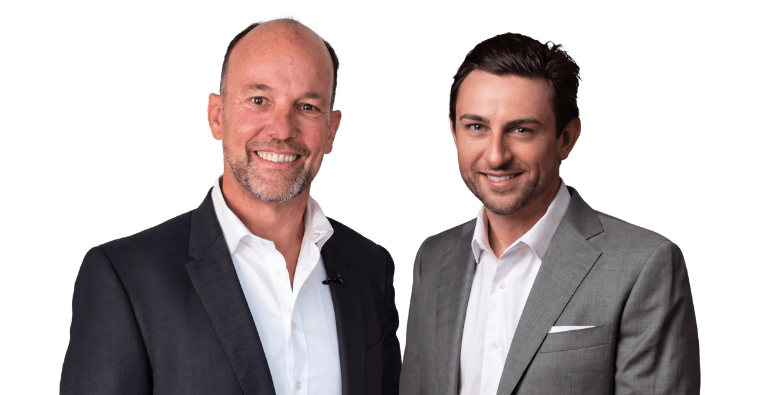 Dr Jeremy Hunt
Dr Stu Hoffman
Dr Jeremy Hunt
Dr Stu Hoffman


Who are we
Our Goal is Patient Satisfaction
Led by Dr Jeremy Hunt M.B.B.S (Syd) F.R.A.C.S. (MED0001151603), our team of specialist plastic surgeons in Sydney, clinicians and administration staff share the same vision and work collaboratively to provide you with a surgical experience of the highest standard.
We enable you to make decisions based on your individual needs by providing clear and accurate information about your treatment options, helping you make informed decisions about your care.

Plastic surgery procedures
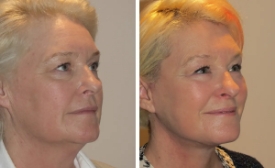
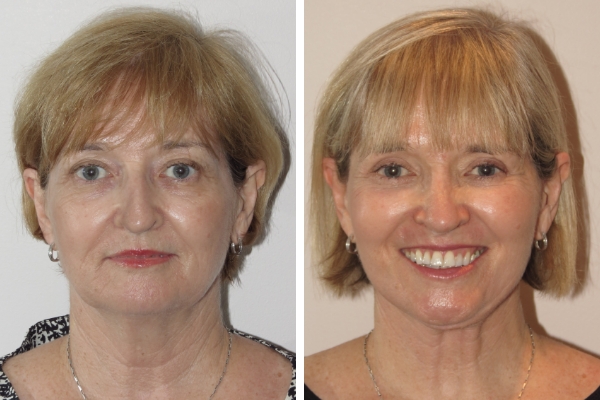
The outcomes shown are only relevant for this patient and do not necessarily reflect the results other patients may experience, as results may vary due to many factors, including the individual’s genetics, diet and exercise. Some images may have the patient’s tattoos, jewellery or other identifiable items blurred to protect patient identities.




View our gallery
Before & after
DISCLAIMER: The outcomes shown are only relevant for this patient and do not necessarily reflect the results other patients may experience, as results may vary due to many factors, including the individual’s genetics, diet and exercise. Some images may have the patient’s tattoos, jewellery or other identifiable items blurred to protect patient identities.




Registered Specialist Plastic Surgeon
Dr Jeremy Hunt
Dr Jeremy Hunt M.B.B.S (Syd) F.R.A.C.S. (MED0001151603) is a registered specialist plastic surgeon.
With over 20 years’ experience working with thousands of patients, Dr Hunt takes a well-informed and sincere approach to his craft.
A Fellow of the Royal Australasian College of Surgeons and member of the Australian Society of Plastic Surgery, Dr Hunt has gained knowledge and expertise from a number of plastic surgeons around the world throughout his career.


Registered Specialist Plastic Surgeon
Dr Stu Hoffman
Dr Stu Hoffman (MED0001190412) is a specialist plastic surgeon, who completed his surgical training in Sydney. He is a fellow of the Royal Australasian College of Surgeons, and member of the Australian Society of Plastic Surgery and International Society of Aesthetic Plastic Surgery.
Dr Hoffman completed his medical degree at the University of New South Wales as well as a Masters of Surgery at the University of Sydney. His training in plastic and reconstructive surgery involved working across multiple public and private hospitals in Sydney. Dr Hoffman has also pursued further aesthetic surgery training, completing the Sydney Aesthetic Surgery Fellowship with Dr Hunt and 3 other industry-leading plastic surgeons in Sydney. He has recently completed an aesthetic fellowship in Stockholm, Sweden, specifically focusing on all aspects of breast surgery.

Breast augmentation with dr hunt
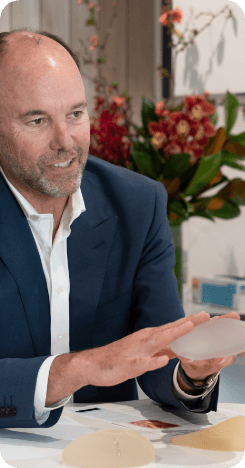
A breast augmentation with implants can address the shape, size, symmetry and profile of the breasts with a variety of breast implant options. Tailored to the personal needs and features of each patient, breast augmentations with breast implants are organised with a thorough, patient-centred consultation process.
All procedures are performed by experienced breast augmentation plastic surgeon Dr Jeremy Hunt.
Your breast augmentation procedure will be designed during your consultation, allowing you to discuss your personal preferences with Dr Jeremy Hunt.


For more information and career opportunities get in touch with our experienced team.

Our Blog
Read our articles

Breast Reduction Surgery Recovery: How Long Does It Take?
Breast reduction surgery recovery varies between patients. Some people gradually return to everyday activities within a few weeks, while others need additional time depending on their health, the extent of surgery, and individual healing. Understanding...